During the last several months, I have had a lot of “forgotten” memories “rediscovered.” Most of them have put a smile on my face and even made me laugh. Some have not. Either way, I am grateful that they have come back after all this time. I’ve decided to start sharing some of them here. The first story comes from my first summer as a camp counselor…
Everybody had camp stories. The ones that keep coming back to me are the ones from the time I was a camp counselor at the Children’s Fresh Air Farm. I have many memories from my experiences there that I could write about. Some are extremely uplifting, while others would break your heart. Today’s story is more of a humorous one.
The Children’s Fresh Air Farm or “CFAF” is located in Bluff Park and was built in 1923 by the Independent Presbyterian Church of Birmingham. It is a 60-acre enclave of nature in suburbia. It has been used primarily to serve the underprivileged children of Birmingham and provides them with an opportunity to go to camp. The camp is provided as a free service to all campers and still is supported by Independent Presbyterian Church.
I was hired to be a Program Aide, and my job was to assist the Arts and Crafts Director. However, I was moved to the Outdoor Program Director right before camp started because of personnel shortages. I had no idea what I was supposed to be doing. I had not come up with any programs. The gentleman I was taking the position from (he had to be a Cabin Counselor due to shortages) recommended for the first day, I teach the kids how to build a fire. Looking back at this, I’m not sure if he was being serious. Is it wise to teach 7 -12 year olds how to build a fire and use matches?
My first day out in the woods, I took a group of about 10 – 12 children out and had them gather sticks and branches to build a fire. It was a hot, humid day and everything was damp from a rain shower the night before. The kids were eager to help, and we built a tee-pee like structure from the materials they gathered. As you can imagine, damp wood does not burn very well, and sometimes not at all. When the time had come to switch groups, there was a nice structure but no fire. I felt a little embarrassed and humiliated at not being able to get the fire started while the first group was there.
While waiting for my second group, I took steps to ensure that my fire starting efforts would not meet the same fate. When the second group walked up, I had them gather some more material. While they were away, I liberally poured some rubbing alcohol all over an into the already built tee-pee. I then gathered them around the structure and asked them to watch me. I pulled out a box of matches in one hand and removed a match with the other. I then said, “Kids, this is how you start a fire.” I struck the match and casually tossed it into doused structure much in the same way one would discard a used cigarette.
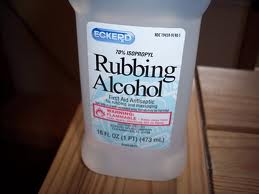
Flames immediately began towering from the structure, and we used the newly gathered materials to keep the fire going. The kids were amazed! I used the same trick with the third and final group that day. I went about the rest of my business and forgot about the whole event.
About a week later, one of the male cabin counselors approached me at breakfast after taking his campers on an overnight excursion into the woods. He said that his campers knew how to build the tee-pee structure quite well. However, when one of the campers volunteered to light the fire, he was amazed at what he saw. He said the young boy just kept lighting matches and just throwing them at the wood structure. As you can imagine, it did not light. The counselor then asked me what I did and explained it to him. He just shook his head, laughed, and went about his day. The moral of this story is that you should never teach children how to start forest fires.
 Final Thoughts on a First Impression